

What Documents Will I Need To Collect and Submit For My Mortgage Application?
Buying your first home is exciting, but the mortgage process can come with a lot of paperwork. Knowing what to expect and what to start gathering now, will make the entire process run smoothly.
While every buyer's financial situation is different, lenders are generally trying to understand three things:
- How much money do you earn?
- How much money do you have available?
- What debts and monthly obligations do you already have?

Here's a simple breakdown of what you may be asked to provide
Income Documents: Showing What You Earn
Your lender needs to understand your income and employment history to determine how much mortgage payment you may be able to comfortably qualify for.
If you're a W-2 employee, you may be asked for:
- Recent pay stubs, typically covering the last 30 days
- W-2s from the past two years
- Federal tax returns, when required
- Employer information so your employment can be verified
If you're self employed, you may be asked for:
- Personal tax returns
- Business tax returns
- A year-to-date Profit & Loss statement
- Business bank statements
- Other documentation related to your business income
What about other sources of income?
If you're using other income to qualify, your lender may need supporting documentation. Examples can include:
- Social Security award letters
- Pension statements
- Rental property documentation
- Child support or alimony documentation, if you're choosing to use that income to qualify
First-time buyer tip: Don't worry if your situation doesn't fit neatly into one category. Your mortgage professional can tell you exactly which documents are needed based on the income you're using to qualify.
Asset Documents: Showing the Funds You Have Available
Next, your lender may need to verify the money you'll use for things such as your down payment and closing costs, as well as any additional funds that may be required after closing.
Commonly requested documents include:
- Recent bank statements
- Savings and money market account statements
- Investment account statements
- Retirement account statements
Depending on where your funds are coming from, you may also be asked for:
- Gift fund documentation and a gift letter
- Documentation showing the sale of an asset
- Verification of your earnest money deposit
- An explanation or documentation for certain large or unusual deposits
Why do lenders ask about deposits?
It can feel personal to share where your money is coming from, but lenders need to document the source of funds being used in the transaction.
Debt Documents: Understanding What You Already Owe
Your income is only one part of the picture. Your lender will also review debts and monthly obligations to help calculate your debt-to-income ratio, commonly called DTI.
That review may include:
- Auto loans
- Student loans
- Credit cards
- Personal loans
- Existing mortgage payments
- Home equity loans or lines of credit
Additional documentation may be requested for obligations such as:
- Child support or alimony
- IRS payment plans
- Business debt
- Deferred student loans
- Investment property obligations
Identification and Home Information
You'll also need some basic personal information and documentation related to the property you wish to purchase.
That may include:
- A government-issued photo ID
- Your Social Security number
- Permanent resident documentation, if applicable
- Your signed purchase contract
- Homeowners insurance information

Tips for a Smoother Mortgage Approval
A little preparation can go a long way.
DO:
- Gather documents early. You don't have to wait until you've found the perfect home.
- Respond promptly to document requests. This helps keep your loan moving through the process.
- Keep your funds in accounts that can be documented.
- Continue paying your bills on time.
- Tell your lender about financial or employment changes. A new job, change in pay or other major change should be discussed with your mortgage professional.
DON’T:
- Opening new credit accounts
- Making major financed purchases before closing
- Moving large amounts of money without keeping documentation
- Making large deposits that can't easily be documented
That new furniture or car can be tempting, especially when you're preparing for a new home. But it's generally better to discuss major financial changes with your lender before, rather than after, you make them.
Don't Let the Paperwork Intimidate You
If you're buying your first home, the document list can look like a lot. You don't necessarily need every document listed above. What you'll be asked to provide depends on your income, assets, debts, loan program and individual circumstances.
Getting organized before you apply can help make the mortgage process feel much more manageable. You don't have to figure it all out on your own. Your mortgage professional can walk you through what's needed, explain why it's being requested and help you prepare for the next step toward homeownership.
TL;DR: What You'll Need for Your Mortgage
Most first-time homebuyers should be prepared to provide:
- Proof of income — pay stubs, W-2s, and tax returns if applicable
- Proof of assets — recent bank, investment, and retirement account statements
- Information about your debts — credit cards, car loans, student loans, etc.
- Proof of identity — government-issued ID and Social Security number
- Additional documentation — if you're self-employed, using gift funds, receiving other income, or have other unique financial circumstances
- Home-related documents — purchase contract and homeowners insurance once you're under contract
Your lender wants to know what you earn, what you have, and what you owe. Gather those three things, and you're off to a great start.
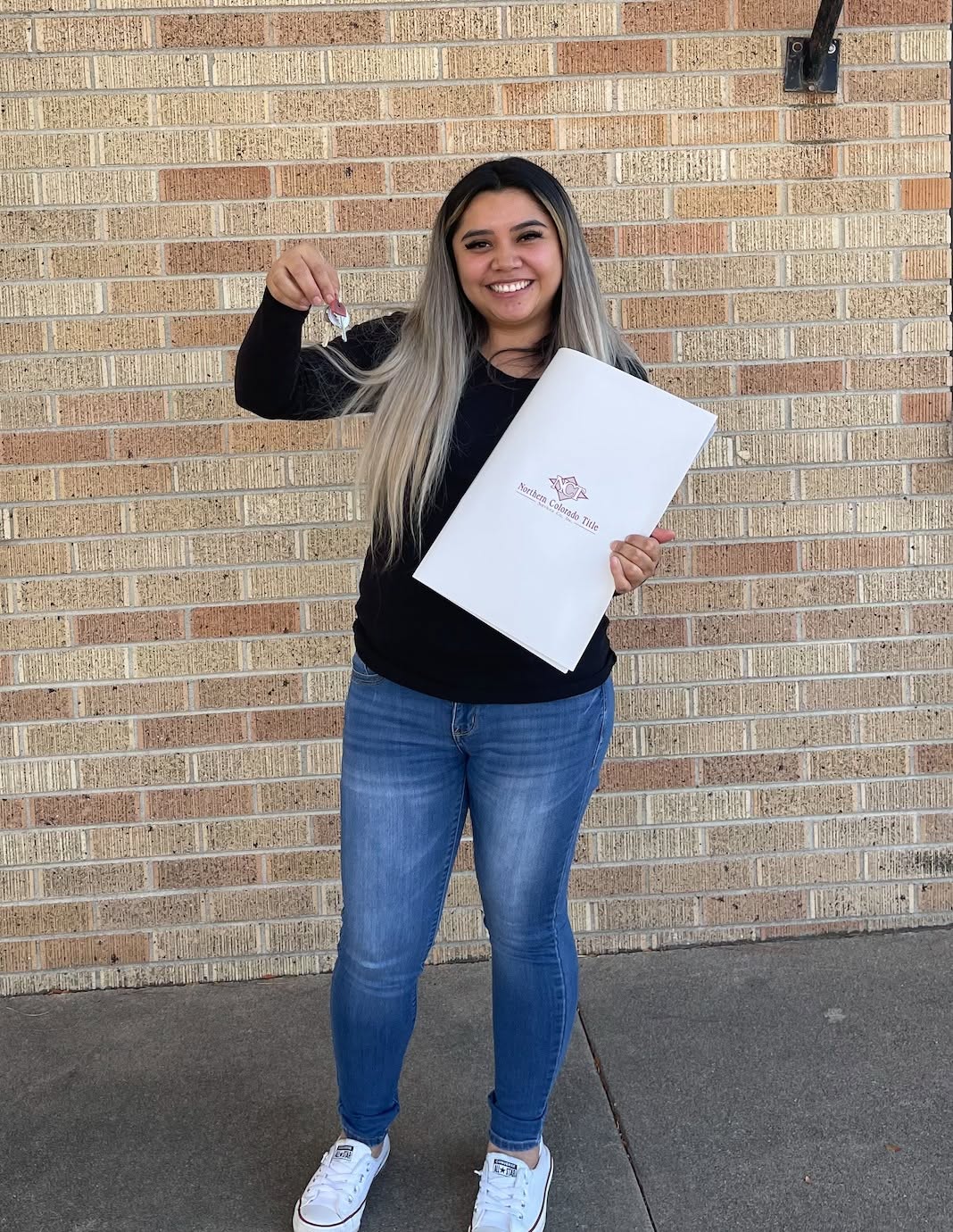
Real People. Real Homes. Real Success Stories.
The photos featured in our blogs are of actual Colorado First Time Home Buyer clients who have taken the exciting step toward homeownership!
Want to see more happy homeowners? ⓕ Facebook ▷ YouTube